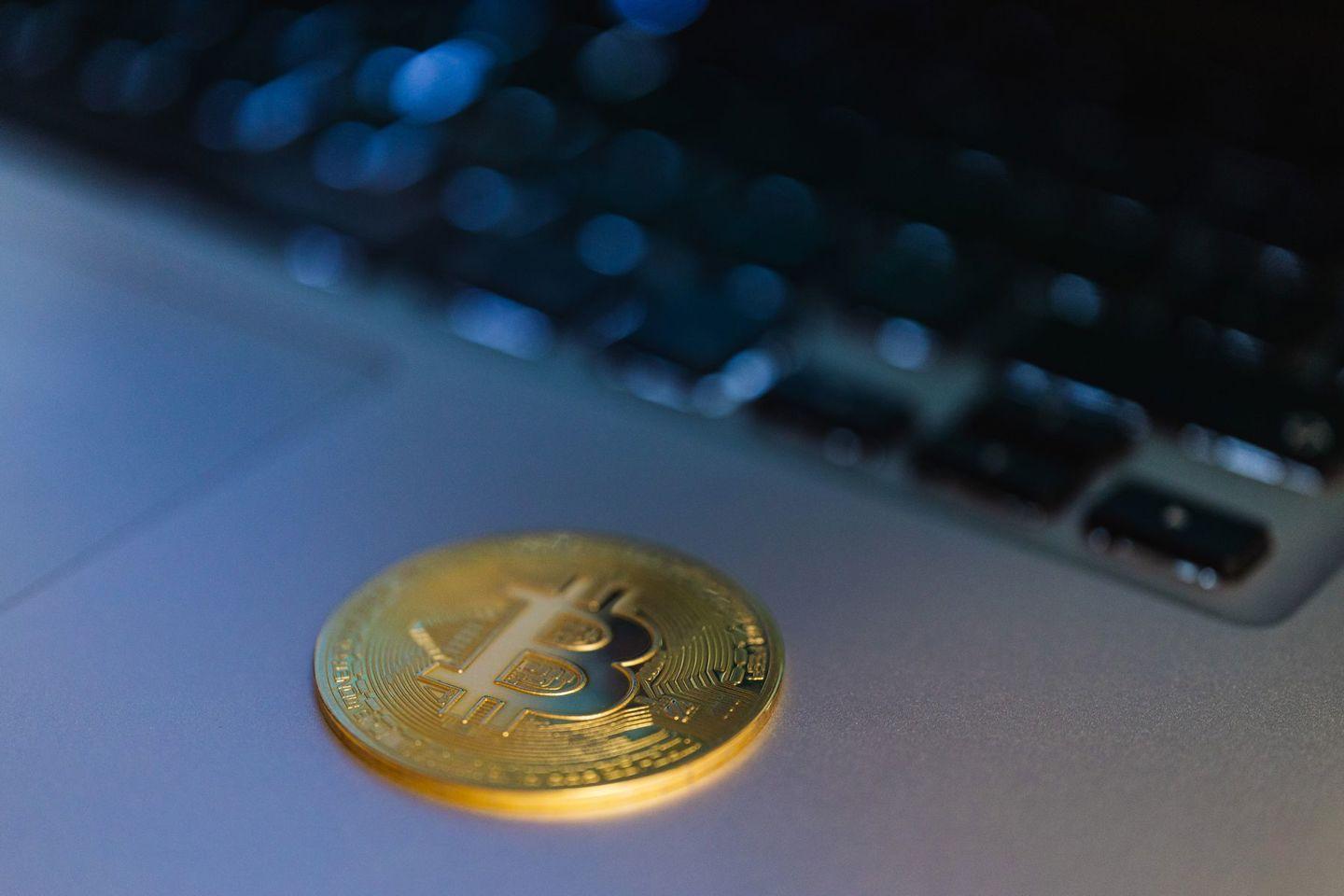
The market context matters. Binance listed the BTC price USD at about $81,276 on September 19, 2026, after a volatile week that included a Federal Reserve rate hike and a failed Senate vote on crypto market-structure rules. Price swings like that are exactly why bank supervisors care about how much crypto risk sits on a balance sheet.
What Changed for National Banks?
In March 2025, the Office of the Comptroller of the Currency confirmed that national banks can offer crypto custody, hold stablecoin reserves and take part in blockchain networks. Just as important, banks no longer need to get a supervisor’s non-objection before starting. The OCC rescinded the earlier letter that had required that extra step.
The Federal Reserve and the FDIC followed with their own rollbacks later that spring, withdrawing guidance that had asked banks to notify them before engaging in crypto activities.
The result is a simpler rule of thumb. A bank can do crypto work, as long as it manages the risk the same way it would manage any other line of business.
What Are the Guardrails Now?
Permission is not the same as a free pass. Banks still face capital rules, liquidity requirements and examinations. Custody means safeguarding keys and keeping client assets separate from the bank’s own. Stablecoin work is now shaped by the GENIUS Act, signed in July 2025, which requires payment stablecoins to be backed one-to-one by high-quality liquid assets such as dollars and short-term Treasuries.
What regulators dropped was the pre-approval step. What they kept is the expectation that a bank can explain, in detail, how it would handle a sharp drop in the assets it holds or services.
Why Does This Matter for Ordinary Customers?
Most people will not notice a rule change at the OCC. They may notice what follows it. A bank that offers crypto custody can let a customer see bitcoin next to a checking account. A bank that holds stablecoin reserves may one day offer faster dollar payments that settle on a blockchain.
There is a catch worth knowing. Crypto held at a bank is still not a bank deposit. Deposit insurance covers deposits. It does not cover the value of a digital asset that falls in price, even if the bank is the one holding it for you.
Where Does the US Stand Compared With Other Markets?
The US has moved from caution to engagement faster than many expected. Europe has its MiCA framework. Several Asian markets license exchanges directly. The US approach is more piecemeal: banking regulators set bank rules, the SEC and CFTC fight over market oversight, and Congress still has not passed a full market-structure law.
That last point matters. On September 15, 2026, the Senate failed to advance the Clarity Act in a 49-50 vote, leaving questions about which regulator oversees which tokens unresolved for now.
What Should Students and Early Investors Take From This?
Banking rules explain who is allowed to offer a service. They do not tell you whether an asset is a good buy. For anyone studying how finance works, as in the economics program at Bryn Mawr, the shift is a useful case study in how regulation follows markets, then tries to shape them.
For investors, three questions still come first. Who holds the asset? Is it insured, and by whom? What happens if the price drops by a third in a week? The new rules make it easier for banks to answer the first question. The other two remain the investor’s job.
How Do Banks Manage Crypto Risk Day to Day?
For a bank, holding crypto for a client is mostly an operations problem. Keys have to be stored securely, often split across several people or devices so no single employee can move funds. Transactions need approval steps. Client assets must be tracked separately from the bank’s own.
Examiners will ask how the bank would respond to a hack, a failed transfer or a sudden rush of withdrawals. They will ask who at the bank understands the technology, and how the board oversees it. Those questions are the real guardrails. They are less visible than a ban, but they shape which banks actually offer crypto and how carefully they do it.
Will More Banks Enter Crypto?
Probably, but slowly. Large banks have been building custody and tokenization teams for years. Smaller banks face the cost of new systems and compliance staff. The easier path is likely to be partnerships, where a bank offers crypto through a specialist provider rather than building it in-house.
That gradual approach may suit the market. Faster access is useful. Clear lines between insured deposits and uninsured assets matter more.
Author Bio – Pam Brown is a journalist with exceptional analytical skills and a strong interest in modern financial systems. She specializes in translating complex topics like crypto, loans, and forex into clear, accessible content. Pam’s precise, research-driven writing has made her a trusted voice in the financial and fintech space.